 blog
Is It Worth Buying Used Motorcycle Gear?
Table of Contents
- The Cost-Benefit Reality of Used Motorcycle Gear
- Used Motorcycle Gear Safety: What the Standards Say
- Buying a Used Motorcycle Helmet: Risks and Red Flags
- Used Motorcycle Jacket and Other Protective Equipment
- How to Inspect Motorcycle Gear Before You Buy
- Where to Buy and Sell Used Motorcycle Gear
- When New Gear Makes More Sense Than Used
- Frequently Asked Questions
Last Updated: October 11, 2026
The Cost-Benefit Reality of Used Motorcycle Gear
Buying used motorcycle gear saves hundreds of dollars, but safety, fit, hygiene, and hidden damage must be weighed against the discount.
The decision depends on what type of gear you're buying, where you're purchasing it, and how carefully you inspect it. Some used gear is worth the savings; other items carry risks that outweigh the discount.
Used Motorcycle Gear Safety: What the Standards Say
Used motorcycle gear is safe if it hasn't crashed and shows no impact damage. Protective materials don't degrade significantly with normal use; what matters is whether the gear has already absorbed impact.
Helmets are the exception. A helmet that's absorbed impact, even from a waist-height drop, can have compromised foam layers invisible from outside. If you can't verify the helmet's history, buying new is safer.
For jackets, gloves, boots, and armor, age alone doesn't make used gear unsafe. A five-year-old leather jacket that's never crashed is as protective as a new one; the concern is wear affecting fit or coverage.
Buying a Used Motorcycle Helmet: Risks and Red Flags
A motorcycle helmet is the most critical piece of used motorcycle gear you'll consider buying. The main risk is crash history: a helmet in an accident has internal foam compression that reduces protection even if the shell looks fine. You need absolute certainty about its past.
Understanding Helmet Certification and Age
Check for a certification label inside the shell:
- DOT: The most common U.S. standard; indicates compliance with FMVSS 218.
- Snell: A stricter independent standard with more rigorous impact testing; label shows certification year (e.g., "Snell M2020").
- ECE 22.05: A European standard equivalent to or exceeding DOT standards.
Certification labels don't expire, but manufacturers recommend replacing helmets every 5-7 years due to material degradation. Check the manufacture date on an internal label (e.g., "DOT 06/2019" means June 2019). Helmets older than 7 years have reduced impact absorption from UV exposure and foam breakdown.
Assessing Crash History and Hidden Damage
The biggest unknown is whether a used helmet has absorbed impact. A helmet dropped from waist height or struck in a minor accident can have internal foam compression invisible from outside. Compressed foam won't spring back or absorb energy effectively in a crash.
Red flags include:
- Visible shell damage: Cracks, dents, or soft spots indicate impact.
- Interior foam condition: Press firmly on foam; it should feel firm and spring back immediately. Soft spots or indentations suggest compression.
- Discolored or crushed padding: Darker, flattened, or permanently indented padding points to impact damage.
- Loose or missing interior components: Shifted or missing padding suggests the helmet has been dropped or crashed.
- Odor or moisture damage: Musty or moldy smells indicate water damage degrading foam.
- Mismatched or replaced parts: Replacement padding may not meet original protective standards.
Asking the Right Questions
Ask the seller directly: "Has this helmet ever been in a crash or dropped?" "How long have you owned it?" "Do you have documentation of its history?" If the seller is unsure, evasive, or can't confirm it's never been impacted, pass on it.
When to Buy Used vs. New
Buying a used helmet is generally not recommended unless you have absolute confidence in its history. A used helmet from a trusted friend who confirms it's never crashed is acceptable; one from an unknown seller carries unacceptable risk. New helmets cost $150-$400. The guaranteed safety is worth the investment; look for sales on new helmets rather than gambling on unknown history.
Used Motorcycle Jacket and Other Protective Equipment
A used motorcycle jacket is often worth buying if it fits well and shows no major damage. Evaluate intact seams, no cracks or tears, functional zippers, and proper fit with no gaps. Used gloves, boots, and armor are generally safe; the main concern is fit and hygiene. Used gloves should be cleaned before wearing.
How to Inspect Motorcycle Gear Before You Buy
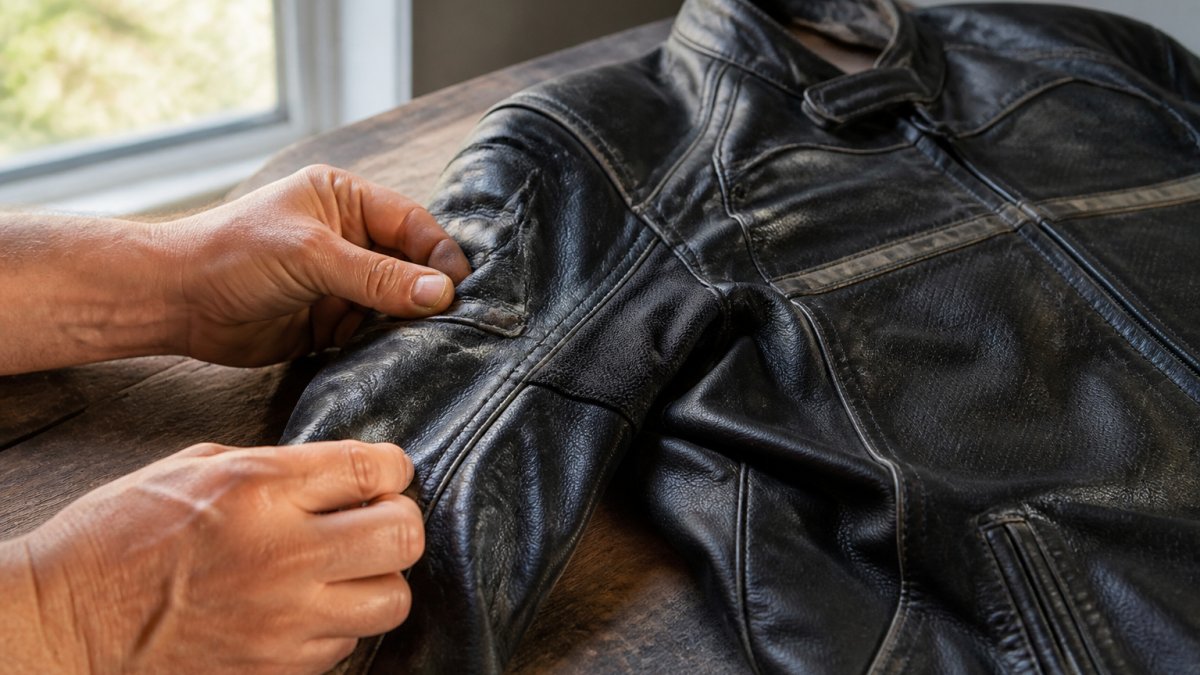
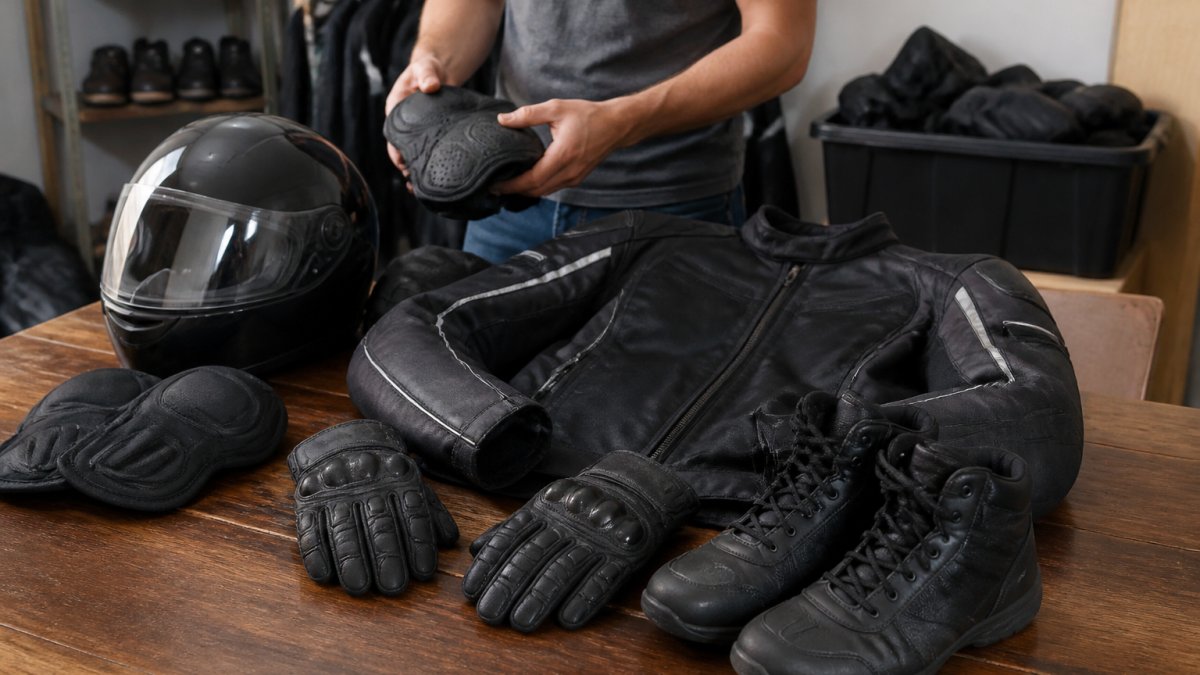
Inspect used motorcycle gear thoroughly in person; online photos hide problems. Use this checklist to evaluate each piece systematically.
Pre-Purchase Verification
Before inspecting, verify the seller and product: Check seller ratings and feedback; request references or photos of them wearing the gear. Verify authenticity by requesting photos of labels and cross-referencing model numbers. Ask the return policy in writing. Request close-ups of seams, armor, zippers, worn areas, and interior padding. High-quality construction remains just as critical for the tools you use to maintain your bike as it is for the protective apparel you wear, which is why understanding the long-term value of premium mechanic gear is essential for any serious rider.
Jacket and Armor Inspection Checklist
Visual inspection: Examine under bright light for cracks, tears, or discoloration. Check seams for separation or fraying. Test zippers for smooth movement. Ensure armor pockets are intact and armor fits snugly. Check interior lining for damage.
Fit and movement test: Put on the jacket and move around, raise arms, bend forward, twist, crouch. The jacket should move with your body without gaps. Sleeves should reach your wrist; torso should cover your lower back when bent. Tighten all straps; fit should be snug but not restrictive.
Armor assessment: Inspect armor for cracks or compression. Confirm it stays in place during movement. Check attachment points are secure.
Helmet Inspection Checklist
Certification and age:
- Locate the certification label inside the shell. Confirm it shows DOT, Snell, or ECE 22.05.
- Find the manufacture date label. Note the year. Helmets older than 7 years should be replaced.
Shell integrity:
- Inspect the outer shell for cracks, dents, gouges, or soft areas. Even small cracks can indicate internal damage.
- Run your hand over the entire shell. It should feel smooth and rigid.
- Look at the visor or face shield. It should be clear, undamaged, and move smoothly if removable.
Interior foam and padding:
Register for the Basic Rider Course →
- Remove the cheek pads and top padding if possible. Inspect the foam underneath.
- Press firmly on multiple spots across the foam. It should feel firm and spring back immediately.
- Look for soft spots, permanent indentations, discoloration, or crushed areas.
- Smell inside the helmet. A musty or moldy odor indicates moisture damage.
Fit and comfort:
- Put the helmet on and fasten the chin strap. It should fit snugly without movement side to side or front to back.
- The helmet should not rock or shift when you move your head.
- Cheek pads should contact your face without excessive pressure.
- Ensure the visor or face shield doesn't obstruct your vision.
Glove and Boot Inspection Checklist
Gloves: Try them on; they should fit snugly without restricting blood flow. Flex your fingers; movement should be natural. Inspect seams for separation. Check for cracks or wear through. Odor is normal but shouldn't be overwhelming; plan to clean before wearing.
Boots: Try on with riding socks; they should fit snugly around ankle and heel. Walk and flex your ankle; the boot should provide support. Check sole for wear and visible tread. Inspect heel and toe for separation. Bend the sole; it should flex slightly. Check shift pad for wear.
Armor and Other Protective Pieces
- Inspect all armor for cracks, compression, or deterioration.
- Confirm attachment points are secure and armor won't shift during wear.
- Check that armor is appropriate for the jacket or garment it's meant for.
Red Flags: When to Walk Away
Do not buy the gear if you observe any of the following:
- The seller cannot or will not answer questions about the gear's history.
- You cannot inspect the gear in person before purchase.
- The gear shows signs of impact damage (helmets especially).
- Seams are separated or fraying extensively.
- Zippers are broken or won't close properly.
- Armor is cracked, compressed, or missing.
- The helmet is older than 7 years or lacks a certification label.
- The seller refuses to discuss return options or seems evasive about condition.
- The price is suspiciously low for the brand and condition (often a sign of counterfeit or stolen gear).
After You Buy: Cleaning and Preparation
Once you've purchased used gear, clean it before wearing:
- Jackets: Wipe down with a damp cloth. For leather, use a leather cleaner. For textile, follow the manufacturer's care instructions.
- Helmets: Wipe the interior padding and shell with a damp cloth. Allow to air dry completely before wearing.
- Gloves and boots: Hand wash in warm soapy water, rinse thoroughly, and air dry. This removes sweat, bacteria, and odors.
Inspect the gear one more time after cleaning to ensure no damage was hidden by dirt or grime.
Where to Buy and Sell Used Motorcycle Gear
Used motorcycle gear is available through several channels. Each has different levels of buyer protection and selection quality.
Online marketplaces like Facebook Marketplace and Craigslist offer the widest selection and often the best prices. The downside is no buyer protection if the gear doesn't match the listing.
Specialty motorcycle retailers sometimes have used sections or consignment areas. These venues typically inspect gear before reselling it, which adds a layer of quality assurance.
Motorcycle gear manufacturers occasionally sell clearance or returned items at discount. These are technically new, not used, but offer significant savings. Check brand websites for outlet sections.
Local motorcycle shops and riding schools sometimes have gear for sale. Staff can answer questions about condition and history, which is valuable when you're deciding whether used motorcycle gear is right for you.
When New Gear Makes More Sense Than Used
New gear is the better choice in several situations. If you're a beginner, new gear ensures proper fit and full protection without uncertainty.
New gear is also preferable if you're particular about hygiene. Gloves and boots absorb sweat over years of use. Even cleaned, they retain odors and bacteria that bother some riders.
If you're buying a helmet, new is the safest option. The cost difference isn't worth the risk of hidden damage in a used helmet.
New gear also makes sense if you need current sizing or specific features. Gear designs change, and finding an exact match in used inventory is difficult.
For riders training, starting with new protective gear is often recommended.
The decision to buy used motorcycle gear depends on what you're purchasing and your comfort level with risk. When you're ready to develop your riding skills confidently, Tampa Motorcycle Training's MSF-certified Basic Rider Course provides the foundation you need, along with guidance on proper gear selection for your riding style and experience level.
Frequently Asked Questions
Is it safe to buy a used motorcycle helmet?
Used motorcycle helmets carry hidden risks. Even if a helmet looks fine, internal damage from a previous crash may not be visible. The Snell Memorial Foundation and DOT standards require helmets to absorb impact energy, but this protection degrades after a crash. Unless you know the exact history and can confirm it has never been dropped or crashed, buying used helmets is not recommended. A new helmet costs less than a head injury.
Which motorcycle gear is safe to buy used?
Jackets, gloves, boots, and armor can be safe used purchases if inspected carefully for wear and damage. Look for intact seams, no tears in the material, and functional zippers. Avoid gear with significant abrasion marks, which signal crash impact. Thermal liners and padding should be intact. Helmets, however, should always be new due to unseen internal damage from crashes. Riding pants are acceptable used if armor is secure and padding is undamaged.
What should you check before buying used motorcycle gear?
Inspect seams for separation or fraying, examine armor pockets for cracks or missing pieces, check zippers for smooth operation, and look for abrasion marks or discoloration that indicate crash impact. Smell the gear for mold or mildew, especially in areas with moisture. Test all closures and straps. Ask the seller directly if the gear has been in a crash. For helmets, never buy used. For jackets and pants, ensure the shell material is intact with no deep gouges or cracks.
How much can you save by buying used motorcycle gear?
Used protective equipment typically costs 30-60% less than new gear, depending on condition and brand. A new quality riding jacket costs $300-800, while decent used jackets sell for $100-400. However, savings must be weighed against safety. Damaged or worn-out gear offers less protection, and helmets cannot be reliably assessed for hidden damage. Factor in cleaning costs and potential replacement if inspection reveals hidden damage. The savings are real but only worthwhile if the gear passes a thorough safety check.